The Secret to Industrial Floor Longevity
The Secret to Industrial Floor Longevity: A Complete Guide to Professional Acid- and Alkali-Resistant Tile Installation
At the heart of every modern industrial site, a durable and flawless floor defines quality and longevity. The correct installation of industrial tiles guarantees not only aesthetics but also safety, hygiene, productivity, and maintenance cost savings. If you are looking for a comprehensive, realistic, and practical guide to constructing high-durability industrial floors, this article is for you.
Understanding Industrial Tiles and Their Applications
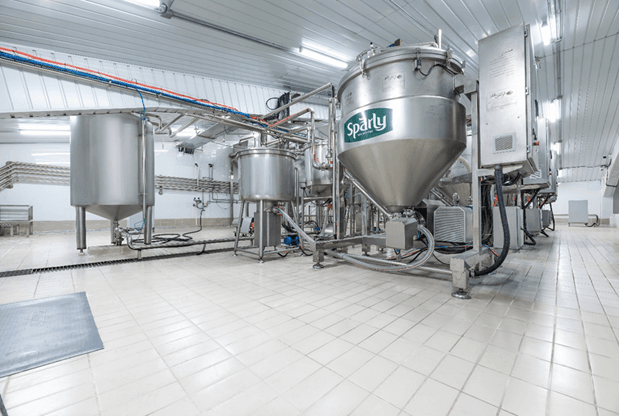
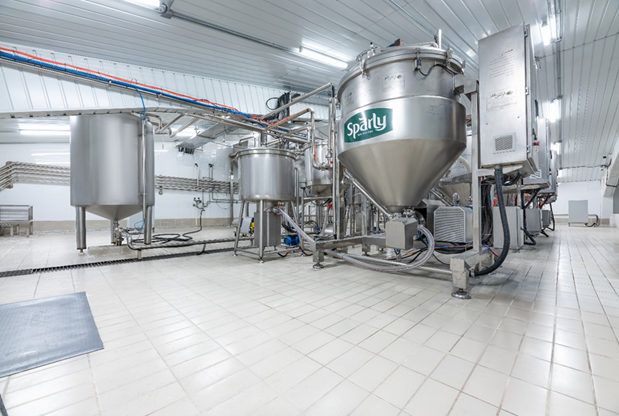
Industrial tiles are specifically engineered for environments in constant contact with acids, alkalis, harsh chemicals, and heavy traffic loads. From food and pharmaceutical production halls to power plant control rooms, these tiles are the premier choice for challenging environments.
Key Features of Industrial Tiles:
- High Acid & Alkali Resistance: Suitable for frequent contact with industrial detergents and corrosive chemicals.
- Exceptional Mechanical Strength: Engineered to withstand heavy loads from forklifts and heavy machinery.
- Anti-Slip Properties: Enhancing workplace safety and reducing slip hazards.
- Near-Zero Water Absorption: Eliminating frost and staining concerns.
- Thermal Shock Resistance: Stable under hot water washes and high-pressure steam cleaning.
Subfloor Preparation for Industrial Flooring
Adhering to professional installation standards is the cornerstone of industrial flooring durability. To achieve a flawless and long-lasting surface, the subfloor must be prepared according to the following technical layers:
- Soil Preparation & Compaction: Precise soil leveling and compaction to prevent future settlement and structural cracking.
- Lean Concrete (Blinding Concrete): Creates a moisture-resistant barrier and a flat base (typically 5 to 10 cm thick).
- Reinforced Concrete (Slab): The backbone of the floor structure, reinforced with rebar to bear heavy traffic (thickness varies based on traffic load, typically 10 to 15 cm).
- Cement-Sand Screed (Undercoat) & Sloping: Creating a leveled, sloped surface toward drains to manage surface water run-off.
- Acid-Resistant Epoxy or Porcelain Tile Adhesive: Provides the strongest bond between the tile and subfloor without chemical degradation (layer thickness: 2 to 5 mm).
Understanding Industrial Tiles and Their Applications
Industrial tiles are specifically engineered for environments in constant contact with acids, alkalis, harsh chemicals, and heavy traffic loads. From food and pharmaceutical production halls to power plant control rooms, these tiles are the premier choice for challenging environments.
Key Features of Industrial Tiles:
- High Acid & Alkali Resistance: Suitable for frequent contact with industrial detergents and corrosive chemicals.
- Exceptional Mechanical Strength: Engineered to withstand heavy loads from forklifts and heavy machinery.
- Anti-Slip Properties: Enhancing workplace safety and reducing slip hazards.
- Near-Zero Water Absorption: Eliminating frost and staining concerns.
- Thermal Shock Resistance: Stable under hot water washes and high-pressure steam cleaning.
Subfloor Preparation for Industrial Flooring
Adhering to professional installation standards is the cornerstone of industrial flooring durability. To achieve a flawless and long-lasting surface, the subfloor must be prepared according to the following technical layers:
- Soil Preparation & Compaction: Precise soil leveling and compaction to prevent future settlement and structural cracking.
- Lean Concrete (Blinding Concrete): Creates a moisture-resistant barrier and a flat base (typically 5 to 10 cm thick).
- Reinforced Concrete (Slab): The backbone of the floor structure, reinforced with rebar to bear heavy traffic (thickness varies based on traffic load, typically 10 to 15 cm).
- Cement-Sand Screed (Undercoat) & Sloping: Creating a leveled, sloped surface toward drains to manage surface water run-off.
- Acid-Resistant Epoxy or Porcelain Tile Adhesive: Provides the strongest bond between the tile and subfloor without chemical degradation (layer thickness: 2 to 5 mm).
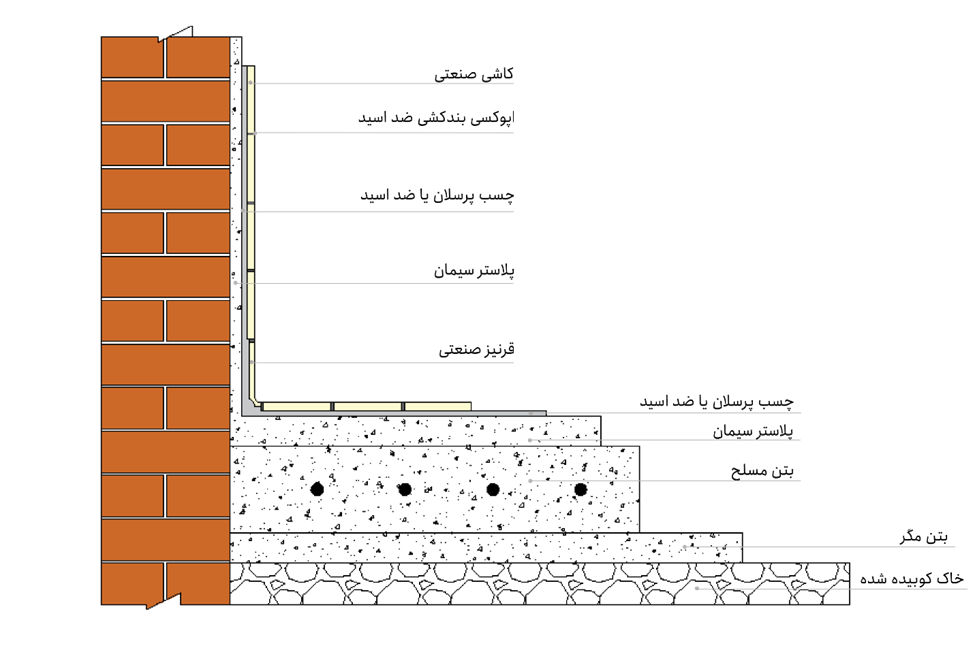
Figure 1: Subfloor Installation Details for Industrial Tiles
Professional Installation Principles for Industrial Tiles
Once the subfloor is ready, the following principles must be observed during tile installation:
- Due to the porcelain nature and extremely low water absorption of these tiles, cement-based mortars must not be used. Only use porcelain-specific and acid/alkali-resistant adhesives recommended by technical experts.
- Direct contact of chemicals with the joints can quickly destroy the subfloor and bond coat. Therefore, grouting must be done exclusively using acid-resistant or alkali-resistant epoxy grout.
- Install industrial tiles with a standard joint width (typically 3 to 5 mm) and ensure level alignment.
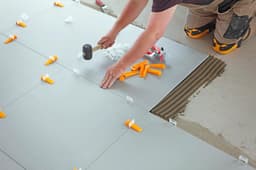
- Use tile spacers, wedges, and leveling systems to achieve perfectly aligned joints.
- Clean any excess grout before it dries; once cured, epoxy residue can only be removed mechanically.
Skirting and Specialty Trims (Cove Base)
Installing industrial skirting (cove base) at the wall-to-floor junction is a mandatory requirement for standard flooring in food, pharmaceutical, chemical, and healthcare industries.
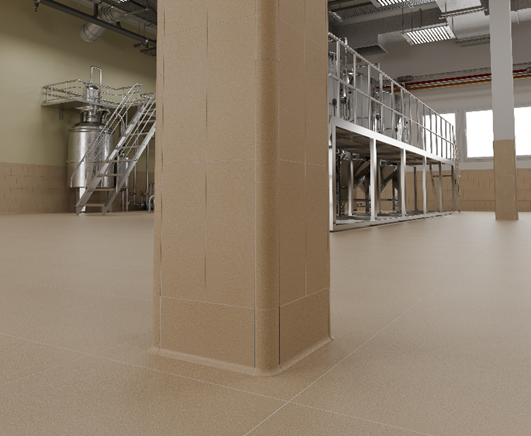
Benefits of Industrial Skirting:
- Achieves complete continuity and waterproofing at the wall-floor junction.
- Prevents moisture penetration, corrosive substances, and contaminant accumulation in corners.
- Facilitates easy cleaning and industrial washing.
- Complies fully with GMP regulations and ministry of health requirements.
Specialty Trims (Corners & Quadrants)
Specialty trims (such as internal/external corners and quadrants) are the optimal solution for achieving hygienic integration, safety, and durability in industrial flooring systems.
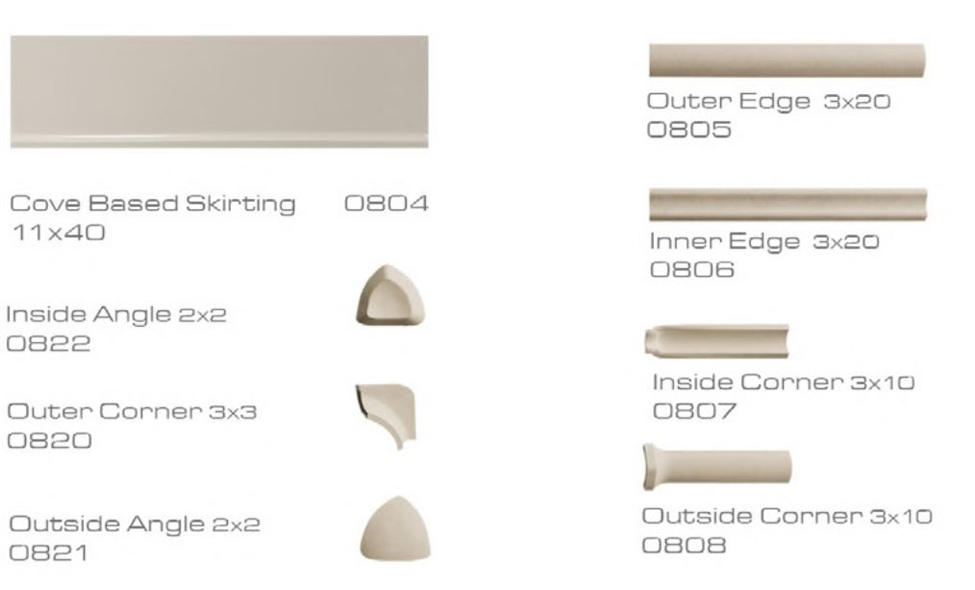
- Reduced Physical Hazards for Personnel: By eliminating sharp corners, the risk of serious head injuries in the event of slips or falls is significantly reduced.
- Visual and Functional Integration: Made from the same material and color as the field tiles, corners and quadrants provide a seamless look and uniform chemical/mechanical resistance.
- Enhanced Durability at Vulnerable Points: Sharp corners are prone to chipping and impact damage. Curved trims reinforce these high-stress transitions.
- Easy Cleaning & High Hygiene Standards: The curved profile allows water and detergents to reach all areas, ensuring barrier-free disinfection in line with GMP requirements.
Post-Installation Care and Maintenance
- Regularly and promptly wash the floor surface after contact with chemicals.
- Conduct periodic joint inspections; repair any micro-cracks or gaps immediately.
- Avoid heavy equipment drag or direct high-impact force on the tiled surface.
Conclusion
Adherence to these principles, along with the use of standard materials, specialized adhesives, and chemical-resistant grouts, is the key to the long-term durability and performance of your floor. For expert consultation or choosing the right flooring system, always consult experienced industrial flooring specialists.
Marjan related articles