

Modern Cafe Architecture: The Role of Decorative Tiles in Shaping Spatial Experience
Modern Cafe Architecture: The Role of Decorative Tiles in Shaping Spatial Experience
Introduction: A modern cafe is more than a place to serve coffee
In contemporary architecture, a cafe is no longer merely a place for drinking coffee; it is a setting for pause, conversation, observation, and experience. What makes a cafe memorable is the quality created through the relationship between light, materials, form, texture, and detail. In such spaces, surfaces play a role far beyond simple finishes; they become part of the space’s identity and turn into focal points around which the project takes shape. In this context, the use of decorative, small-format tiles is not simply an execution decision, but part of the design language itself.
Soft forms against rigid geometry
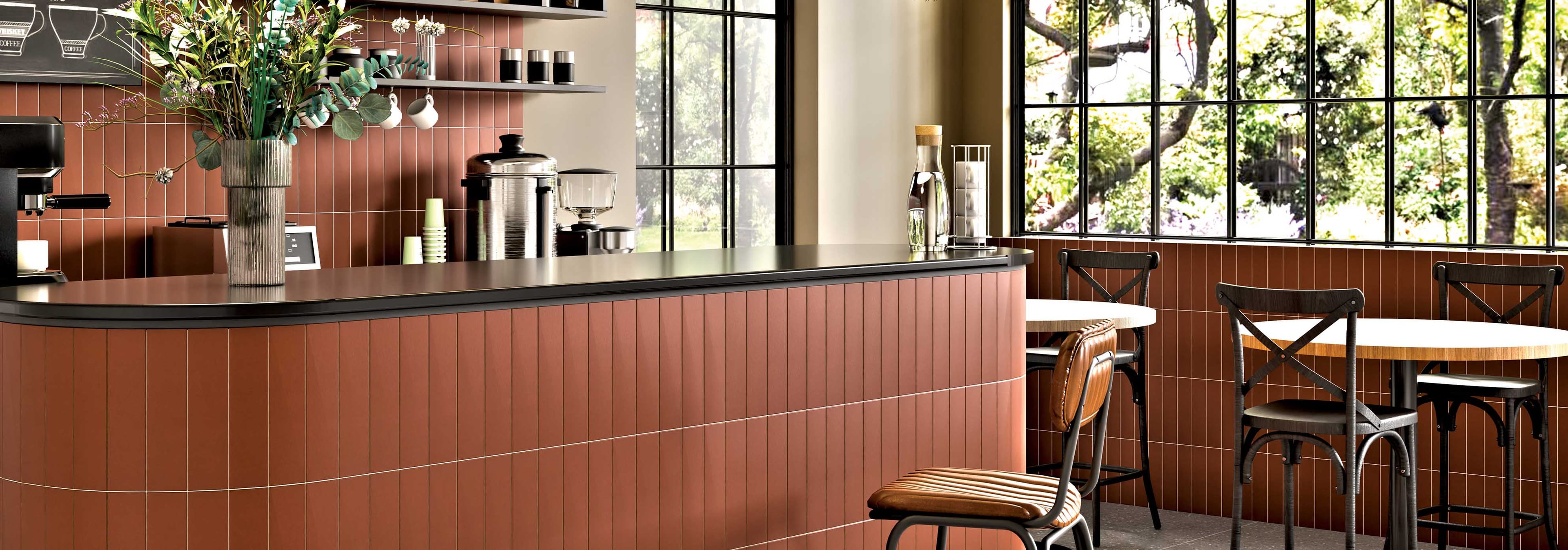
One of the key features of modern cafes is the balance between architectural order and a sense of intimacy. Curved forms and softened corners reduce the harshness of straight lines and create a more inviting atmosphere. In these projects, choosing a material that can follow curvature without breaking the unity of form is essential. That is why in many contemporary projects, the use of decorative tiles on curved counter fronts is considered not just a finish, but an architectural solution that emphasizes the soft movement of volume.

Rhythm: the hidden element in reading space
The modern cafe is built on rhythm; a rhythm created through the repetition of lines and patterns. Surfaces designed with clear geometric order move the space beyond stillness and give it visual motion. Decorative tiles, through their repeating patterns, add depth and legibility to walls and make the space feel more alive.
 |
 |
Texture and the counter: shaping atmosphere and a focal point
Texture is one of the most important tools for creating atmosphere; a surface that absorbs and reflects light makes a space feel more human and tangible. In this context, the counter, as the visual center of gravity, requires precise design. When the counter body is clad with the right texture and rhythm through decorative tiles, it transforms from a functional element into an architectural volume and a lasting focal point. Whether distinctive decorative tile models are used or unique patterns are created on the counter surface, the goal is the same: to create an experience that encourages the audience to stay in the space.
From idea to execution: Marjan Tile’s architectural tools
To bring these spatial narratives to life, the selection of material dimensions and proportions is decisive. Marjan Tile’s decorative tile collection, available in sizes 7x29, 11.5x24, and 15x15 cm, has been designed precisely for this purpose, giving designers freedom to play with geometry:
7x29: a tool for creating modern elongation and linear, directional rhythms on walls and counters.11.5x24: a modern reinterpretation of classic proportions that brings a sense of authenticity and warmth to commercial spaces.15x15: an option for creating geometric order and a grid-like structure, ideal for minimal and contemporary environments.

These products are offered not only in diverse sizes, but also in a broad color palette. Combined with the possibility of playing with grout color, from tone-on-tone to contrasting, they allow designers to place their personal signature on each project. This flexibility makes it possible to create anything from bold contrasts to calming harmonies and ultimately achieve the modern and lasting character that defines today’s cafe architecture.
Conclusion: Architectural quality emerges through attention to detail
In modern cafe architecture, soft forms, controlled rhythms, vivid textures, and harmonious materials work together to create a space that can truly be experienced. In this view, decorative tile is no longer just a simple covering, but part of the spatial narrative. The conscious selection of materials, from size to color composition and grout, plays a decisive role in shaping the final identity of the cafe; a place where tile becomes more than a material, it becomes a tool for meaningful architecture.
Marjan related articles

Products Related to Marjan
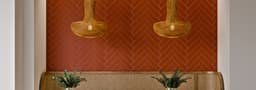
Retro and the punched version of this tile called ...

Pixel, a 15x15 cm tile with a glossy glazed surfac ...
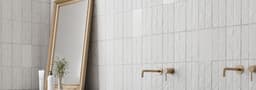
Embossed Elegance with dimensions of 11.5 x 24, in ...
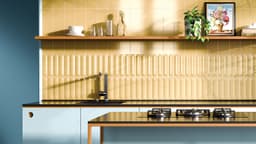
Palette & Palette Decor, measuring 11.5x24, in two ...